What a Photograph Can and Cannot Tell You About Value
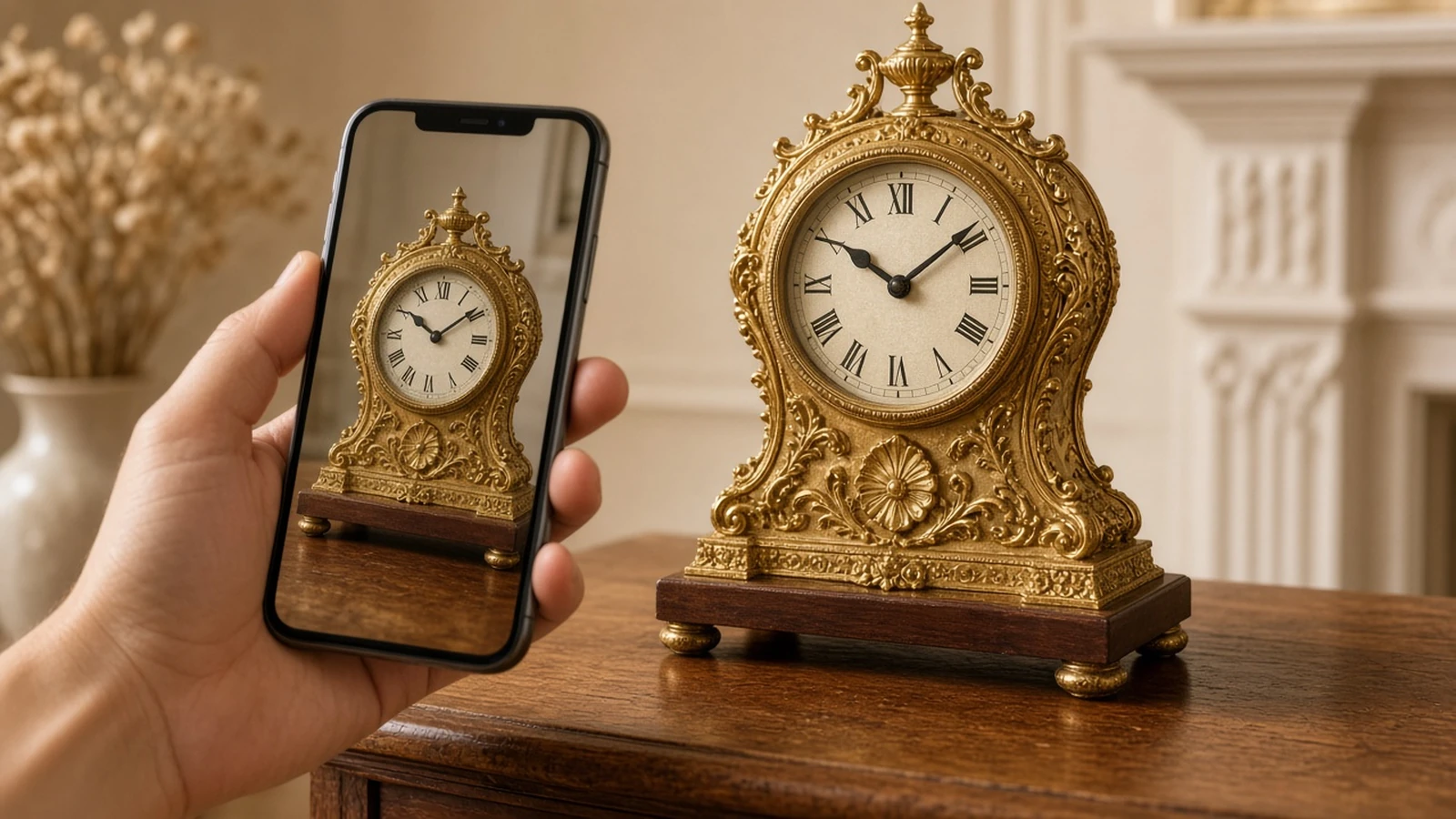
A good photograph settles most valuations. A bad one wastes everybody’s time and produces a range so wide it is useless. The difference is four frames and about ten minutes.
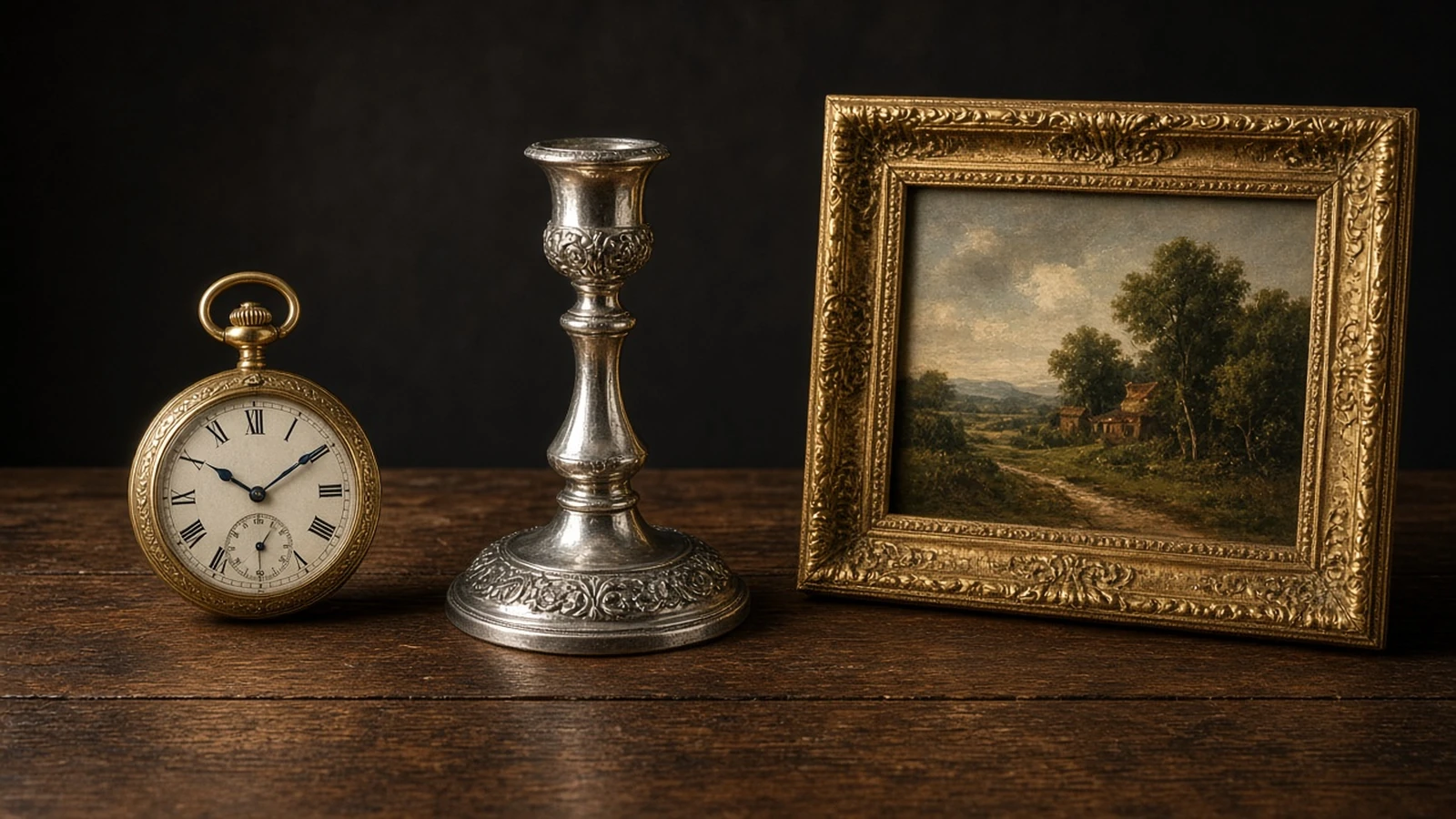
Most items can be identified and priced from photographs. That is the premise of the whole category, and it is true more often than sceptics expect — because the things that decide value are, in the main, visible: the marks, the construction, the condition, the proportions. What a photograph cannot do is tell you the weight of a metal, the ring of a ceramic, or whether a joint is glued or pinned.
Knowing which side of that line your object sits on is the difference between a valuation you can act on and a range so wide it tells you nothing. Here is what to shoot, what it can settle, and where a photograph runs out.
The four frames that settle most items
Almost every failed remote valuation fails on the photographs rather than the object, and nearly always for the same reasons: the marks are unreadable, the damage is hidden, and the scale is unknowable.
One: the whole object, square on. Fill the frame. Shoot from the height of the object rather than down at it, because a downward angle distorts proportion, and proportion is how specialists recognize a form.
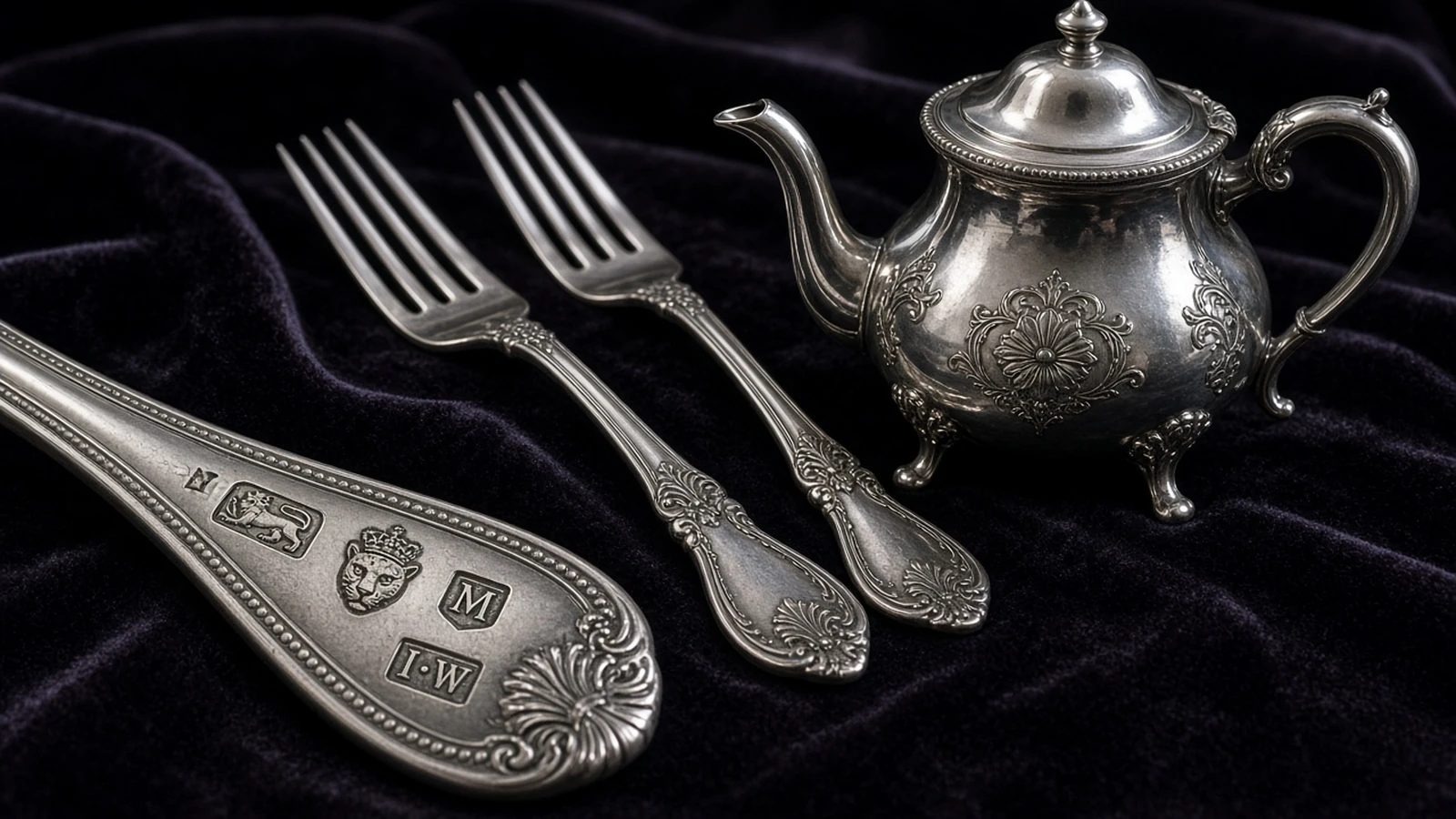
Two: the marks, close. Any stamp, signature, backstamp, trademark or serial. This is the single most valuable frame and the one most often skipped or blurred.
Three: the damage. Photograph chips, cracks, losses, repairs and wear deliberately. Sellers hide damage instinctively and it always costs them — an undisclosed crack found by a buyer turns a completed sale into a return.
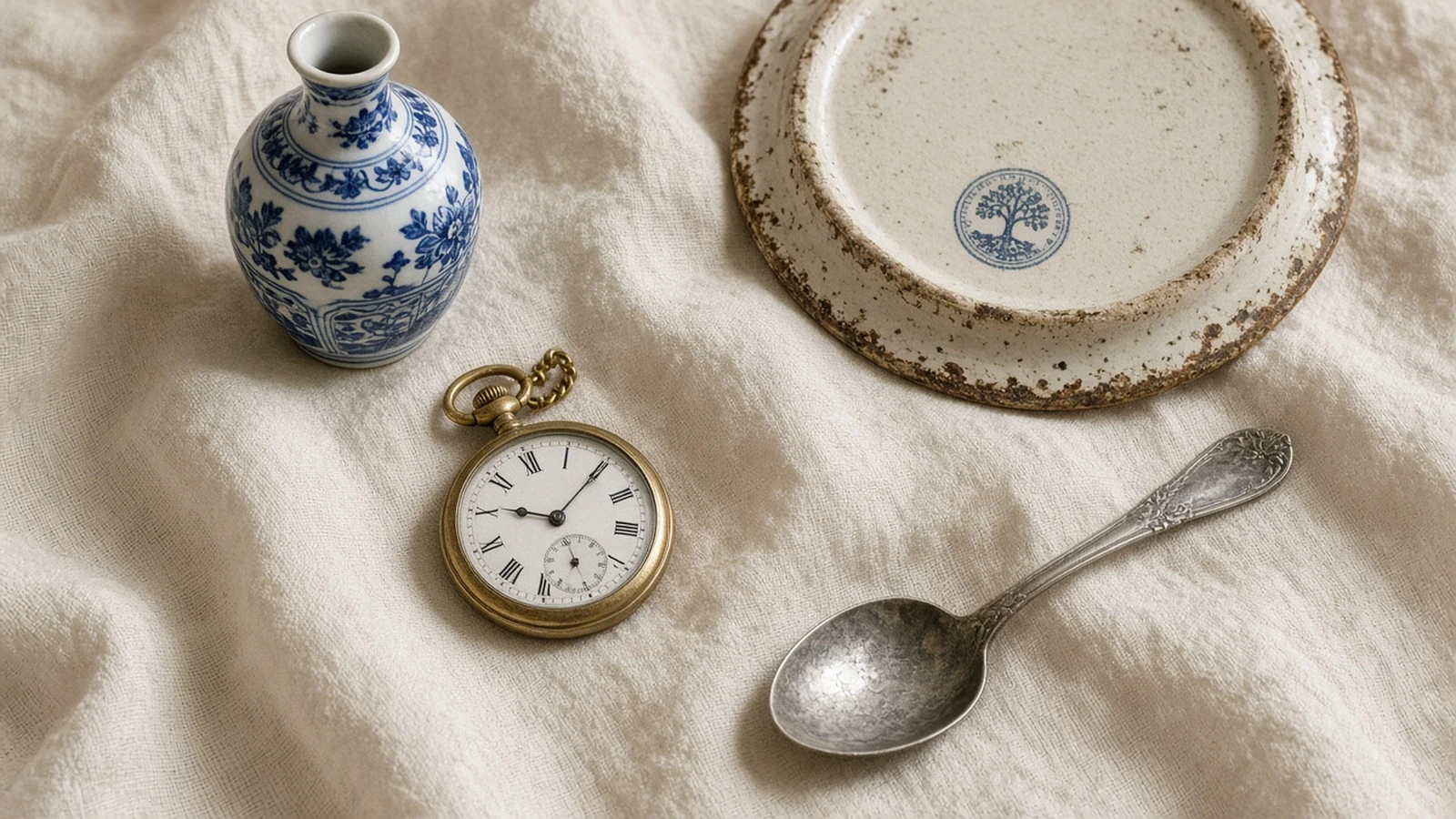
Four: the reverse or underside. Construction, tacking margins, stretcher bars, foot rims, screw heads and tool marks all live here, and they are what separate period work from later copies.
Add a fifth frame with a coin or ruler beside the object. Scale is invisible in a photograph, and a surprising number of items are valued wrongly because a valuer assumed the wrong size.
Light is the whole game
Use daylight from a window, not a flash. A flash fires straight down the lens axis, which flattens exactly the surface relief you need to see and blows out the highlights on anything metallic or glazed.
For marks, place the light almost flat to the surface so that the stamps cast shadow into their own depressions. A mark lit from the front disappears. A mark lit from the side becomes legible even when it is worn nearly smooth, because the relief survives in the metal long after the outline has gone.
For pictures and furniture, the same raking light shows brush relief, canvas weave, veneer joins and old repairs that a flat frontal shot hides completely.
If you can read the mark in your own photograph, a valuer can work with it. If you cannot, no amount of expertise on the other end will recover it.
What a photograph settles
| Question | Can a photo answer it? | Why |
|---|---|---|
| What is this object? | Usually yes | Form, decoration and construction are all visible |
| Who made it, and when? | Often | Marks, backstamps and movement plates are readable |
| Is it a reproduction? | Often | Surface, construction and wear patterns give it away |
| What condition is it in? | Yes, if you shoot the damage | Only the frames you take exist |
| What is it worth? | A defensible range | Comparable sales are matched on identification and condition |
| Is the metal solid or plated? | No | Needs a test, though marks narrow it sharply |
| Is the stone real? | No | Needs magnification and instruments |
| Has it been restored invisibly? | Sometimes not | Skilled restoration is designed not to photograph |
The bottom rows are where photographs genuinely run out, and an honest valuation says so rather than guessing. That is also why a photo-based range is a range: it brackets the plausible outcomes given what can be seen, and narrows as more evidence arrives.
Three mistakes that waste the exercise
Cleaning first. The most expensive mistake in the category. Polishing silver removes patina and sometimes removes the marks; refinishing furniture removes the original surface; cleaning a painting removes glazes. Dust it and photograph it as it is.
Shooting on a patterned surface. A busy rug or granite counter makes automatic exposure misjudge the object and makes edges hard to read. Use a plain mid-tone cloth or a sheet of paper.
One photograph. A single frame of the front of an object is the most common submission and the least useful. Four frames take three minutes and change the answer materially.
Regional differences worth knowing
The same photograph produces different numbers in different markets, because the comparable sales behind them are regional.
In the United States, the deepest data exists for American factory production — pressed glass, pocket watches, mission furniture, studio pottery — and online comparable sales are plentiful, so ranges tend to be tighter.
In Europe, provenance and period documentation carry more weight, auction records go back further, and cross-border differences are large: the same Meissen figure performs differently in Germany than in Spain.
In the Gulf and wider Middle East, precious metal content sets a firm floor under anything gold, because the market prices by weight and purity with unusual transparency. A valuation there sensibly reports both the collectible value and the metal floor, since for many pieces the floor is the number that actually matters.
After the photographs
Once you have the frames, run them through a SoldSnap evaluation for an identification and a value range. If the marks are the sticking point, how to read the marks on antiques covers what each family of mark means, and what is my antique worth sets out how to read the range you get back. If you are working through a whole property, shoot every item to the same four-frame standard before you value anything, and the channel comparison covers what you keep after fees.
A ten-minute setup you can reuse
If you have more than a few items, build the setup once instead of improvising each time. It pays for itself by the fourth object.
Put a table near a window, but not in direct sun. Tape a sheet of plain mid-grey or off-white paper to the wall behind it and let it curve down onto the surface, so there is no hard line behind the object. Put a second sheet of white paper or card on the shadow side, angled to bounce light back — this one addition does more for legibility than any camera setting.
Set the phone on a small tripod or prop it against a book so both hands are free to position the object. Tap to focus on the mark rather than the middle of the frame, then lock exposure. Turn the flash off and leave it off.
For marks specifically, add a small lamp low and to one side, almost parallel to the surface. Rotate the object rather than the lamp between shots — two angles of the same mark will usually resolve a character that one angle loses.
The goal is not a beautiful photograph. It is a legible one. A flat, slightly dull image that shows every mark clearly beats a dramatic one that hides half of them.
Shoot everything in one session and name files by room or by lot as you go. On an estate this is the difference between a list you can act on and four hundred images nobody can match to an object.
FAQ
How many photos do I actually need?
Four as a minimum: the whole object, the marks, the damage, and the underside or reverse. A fifth showing scale is worth the extra few seconds.
Should I clean the item first so it photographs better?
No. Cleaning routinely removes more value than it adds, particularly on silver, bronze, furniture and dials. Dust it and nothing more.
Can a photograph tell me if my gold is real?
It can read the karat stamp, which narrows it sharply, but it cannot confirm the metal. Solid versus plated needs a physical test.
Why is the value given as a range rather than a number?
Because condition, originality and market timing all move the figure, and a photograph resolves some of those better than others. A range that reflects real uncertainty is more useful than a single number that pretends there is none.
Last updated 13 September 2026