How Much Are My Old Coins Worth? Date, Mint Mark, Metal and Grade
Most old coins are worth their metal or a little more. A small number are worth far more, and four details on the coin itself tell you which kind you are holding.
"How much are my old coins worth" usually starts with a jar, a tin or a folder found while clearing a house. The honest answer is that most of it is worth face value or its weight in silver. The useful answer is that you can sort the jar in an afternoon, because a coin carries its own history on its face: when it was struck, where, in what metal, and how much of that original surface survives.
SoldSnap reads all four from photographs. It identifies the issue, explains the coin's history and gives a value range for its grade. The guide below explains what it is looking at, so you can check the result and decide what to do next.
The four things that set a coin's value
| Factor | What to look at | Effect on value |
|---|---|---|
| Date | The year on the obverse or reverse | Sets the starting point. Low-mintage years carry a premium. |
| Mint mark | A small letter near the date or on the reverse | The same date from a different mint can be worth many times more. |
| Metal | Colour, edge, weight | Sets the floor. Silver and gold coins are never worth less than their metal. |
| Grade | Wear on the high points, lustre, damage | The biggest multiplier. One grade step can double the price on a scarce coin. |
Read the date and mint mark
The date tells you the year a coin was struck, but the mint mark tells you where, and that is often what separates a common coin from a scarce one. On United States coins the common marks are P (Philadelphia, often left blank on older coins), D (Denver), S (San Francisco), and the historic O (New Orleans) and CC (Carson City). Carson City coins come from a mint that operated through the Nevada silver boom, and collectors pay a premium for that history.
British coins use the monarch's portrait and legend in place of mint marks for most of their history, so the date and the portrait type do the work. Gulf and Ottoman-era coins often carry the date in the Hijri calendar, written in Arabic numerals. Subtract about 3% of the Hijri year and add 622 to get an approximate Gregorian year. The marks guide covers how marking conventions differ by market.
Check the metal: the silver floor
Before 1965, US dimes, quarters and half dollars were struck in 90% silver. British "silver" coinage was 92.5% sterling until 1920 and 50% silver until 1946. Many European coins of the same period were also silver. Any of these is worth at least its melt value, whatever its condition.
- The edge test. Look at the edge of a pre-1965 US quarter. Solid silver all the way through. A later one shows a copper stripe.
- The colour. Silver tones grey, blue or gold with age. Copper-nickel stays flat and pale.
- The weight. A kitchen scale accurate to 0.1 g separates a silver coin from a plated copy of the same size.
Melt value is the floor, not the price. A worn silver coin of a common date sells near melt. A sharp one of a scarce date sells to a collector at many times that.
Grade: why condition matters more than age
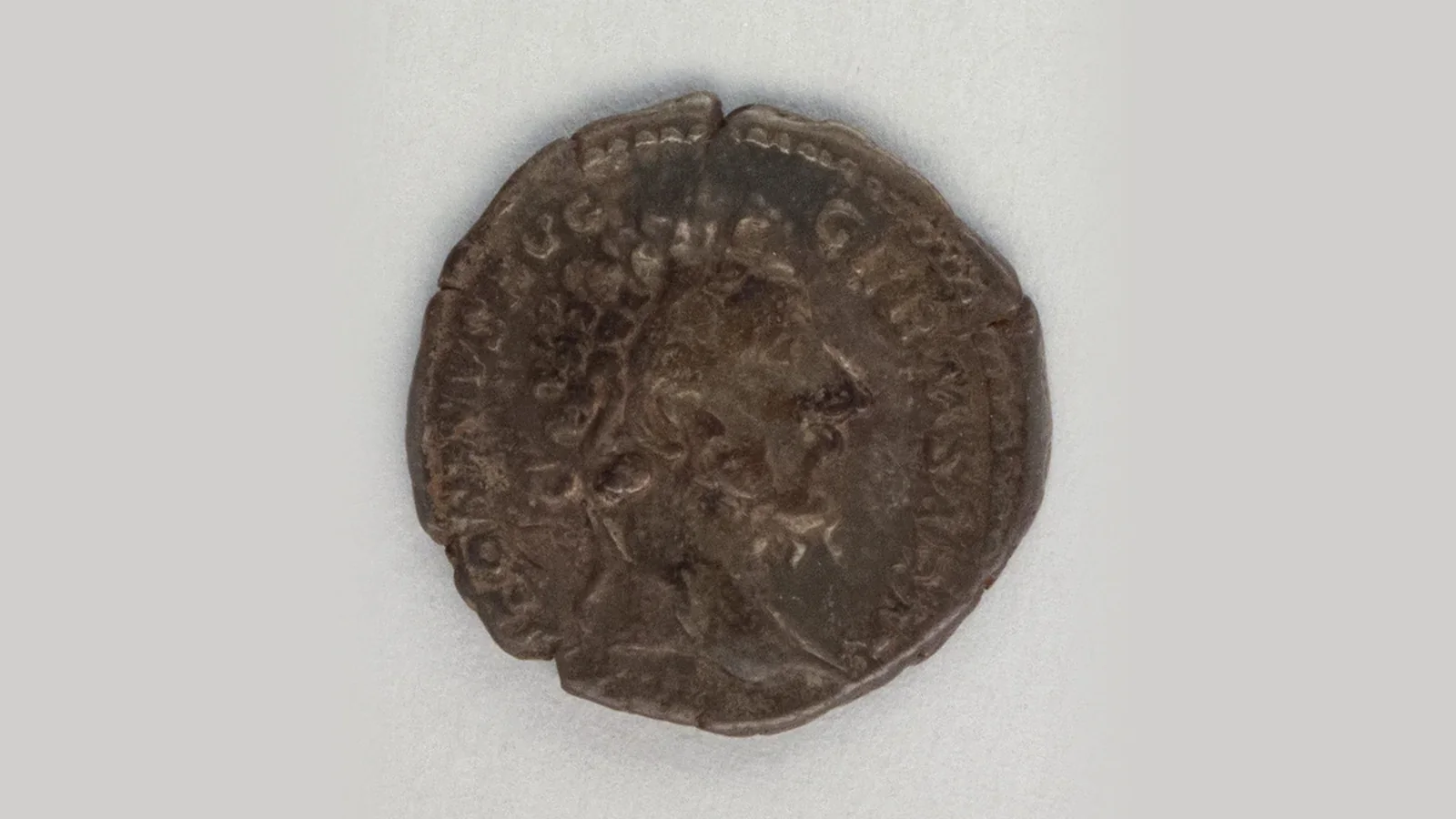
Age alone does not make a coin valuable. Millions of Roman bronze coins survive and many sell for less than a modern commemorative. What collectors pay for is a scarce coin in good condition.
Coins are graded on the Sheldon scale from 1 to 70. Coins at 60 and above have never circulated ("Mint State"). Below that, grade is judged by how much detail remains on the high points: hair above the ear, feathers on an eagle, the folds of a robe. The two largest grading services, PCGS and NGC, seal graded coins in plastic slabs. A slab adds trust and usually adds value on coins worth more than a few hundred dollars.
Do not clean your coins
This is the most expensive mistake in the category. Polishing or dipping a coin strips its original surface. Collectors can see the hairline scratches at once, and a cleaned coin typically sells for half or less of an uncleaned one. Photograph it exactly as you found it.
Coins worth checking twice
A short list of types that regularly turn up in inherited collections and are worth a closer look:
- Lincoln cents from 1909 to 1931, especially San Francisco issues and the 1909-S VDB.
- Morgan and Peace silver dollars, where certain date and mint combinations, especially Carson City, sell well above melt.
- Error coins: doubled dies, off-centre strikes and wrong-metal strikes.
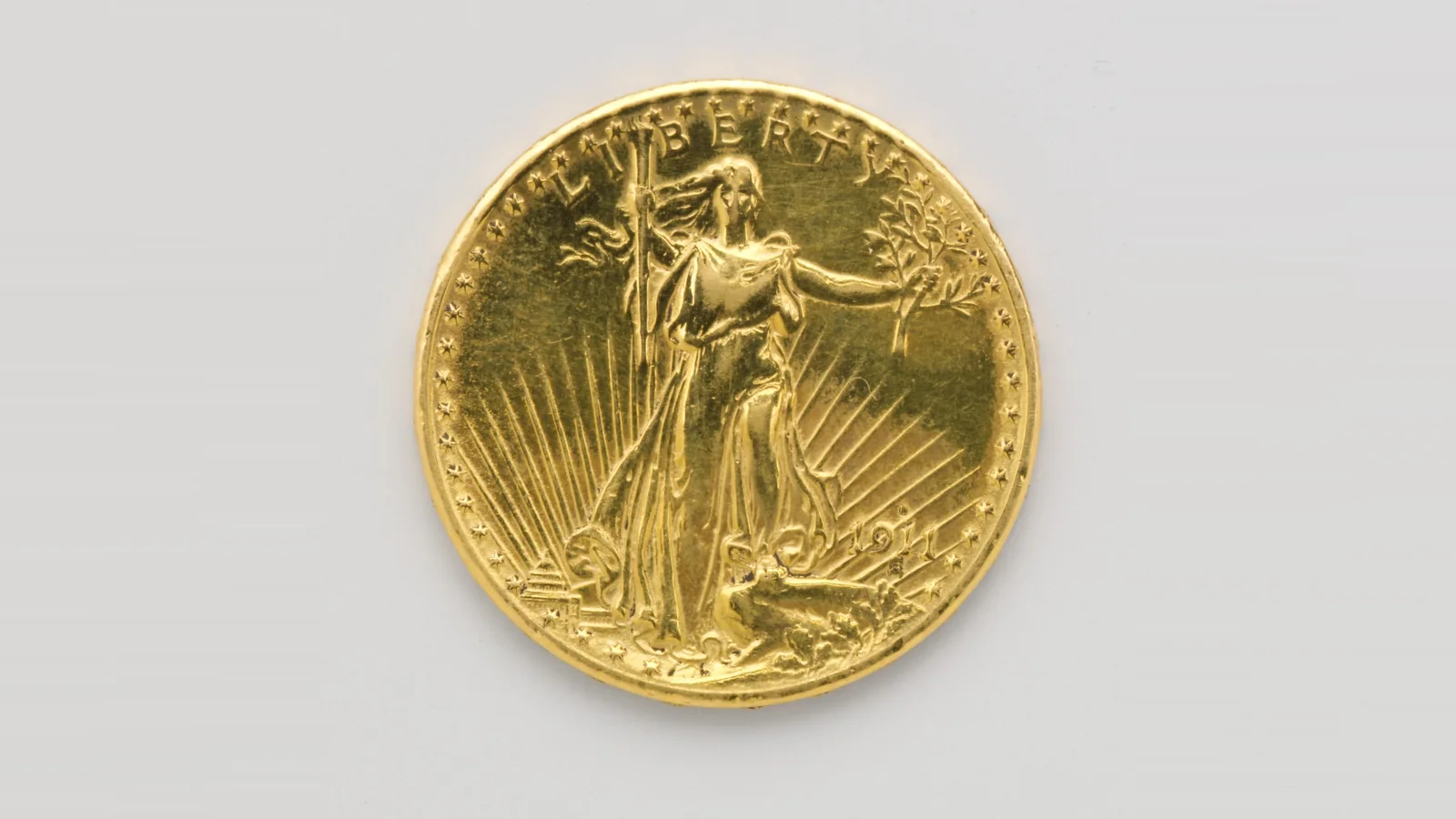
- Pre-decimal gold, such as British sovereigns and US $2.50 to $20 gold pieces, which always carry their gold value.
- Ancient coins with a clear portrait and legible legend, where history and eye appeal set the price. The Roman coin guide covers these in detail.
How to photograph coins for a valuation
Coins are among the easiest objects to value from images, provided the images show the detail. Use daylight from one side so the relief casts a small shadow. Take the obverse, the reverse and the edge. Fill the frame, keep the camera parallel to the coin, and hold it by the edge, never the faces. The photography guide explains what an image can and cannot settle.
Where to sell old coins
Bullion-grade silver and gold sell best to a bullion dealer quoting a published premium over spot price. Collector coins sell best where collectors are: specialist auctions for scarce or slabbed coins, and online marketplaces for mid-range coins with clear photos. Coin shops buy quickly but at a dealer margin. The channel comparison sets out what you keep on each route, and what is my antique worth explains which value figure to use. When you have photos, a SoldSnap evaluation gives you the identification, the history and a value range.
FAQ
Are old coins worth anything?
Most are worth face value or melt value. Silver coins, gold coins, scarce dates and mint marks, errors and coins in high grades are worth more.
How can I find out what my coin is worth for free?
Note the date, mint mark and metal, then compare completed sales of the same coin in a similar grade. SoldSnap does this from a photo and also explains the coin's history.
Should I clean old coins before selling?
No. Cleaning removes the original surface and often halves the value.
Is it worth getting a coin graded?
For coins likely to be worth more than a few hundred dollars, yes. For common coins the grading fee is more than the premium it adds.
About the author
SoldSnap Editorial Team
The SoldSnap Editorial Team writes the Journal's guides to identifying, valuing and selling antiques, coins, china and art. Each guide draws on the identifications SoldSnap makes from photographs sent in by people clearing estates, downsizing or selling.
Last updated 2 October 2026