How to Tell If an Antique Is Real Before You Sell It
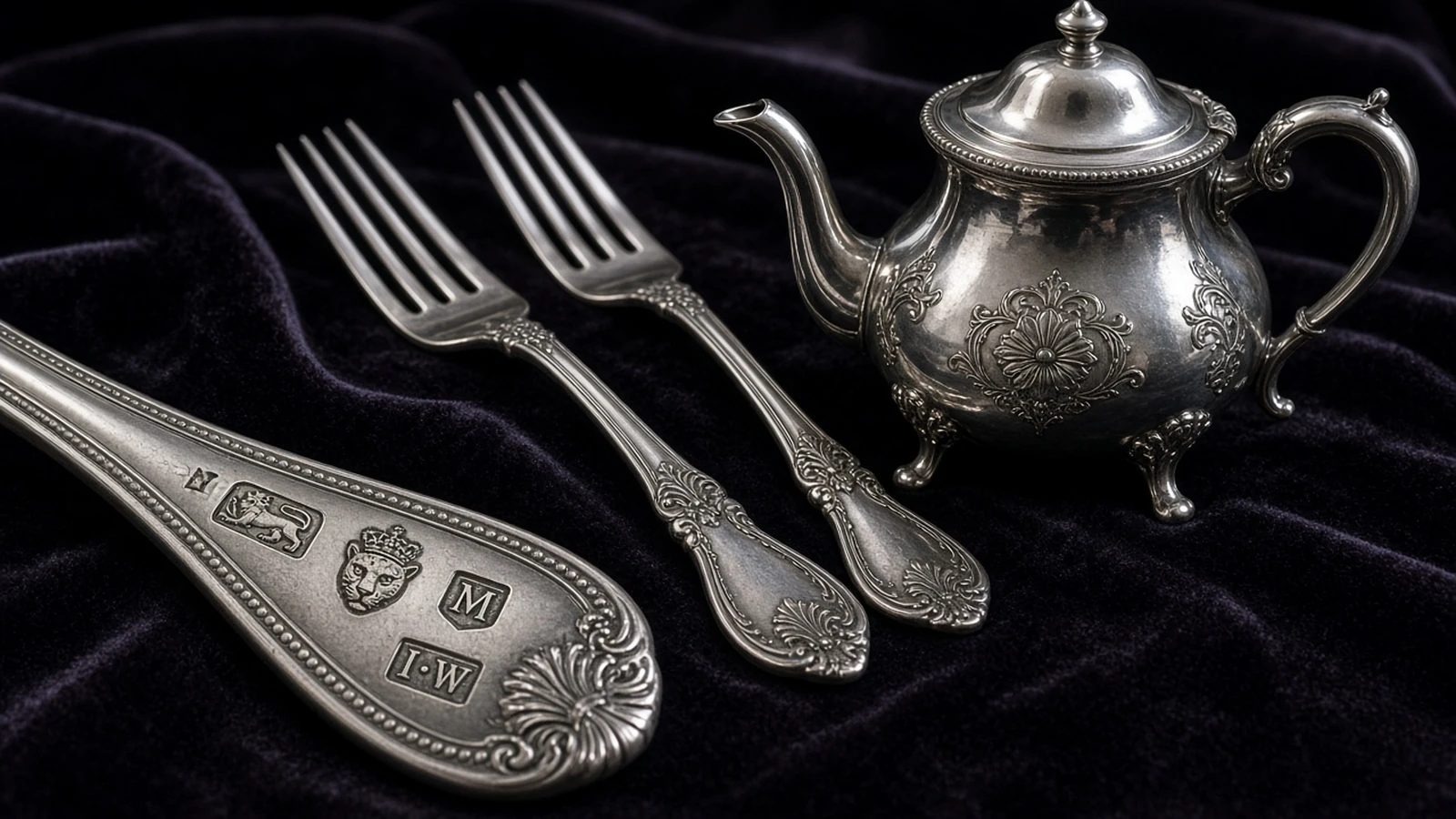
Almost everyone checks the mark first. A competent reproduction copies the mark first too, which is why it is the weakest evidence on the object rather than the strongest.
Almost everybody works out how to tell if an antique is real the same way, and it is the wrong way round. The mark, the label, the signature, the serial number stamped on the clasp — these are what owners photograph, what buyers ask for, and therefore precisely what anyone producing a convincing copy puts the most effort into. A reproduction is built to survive the check that people actually perform.
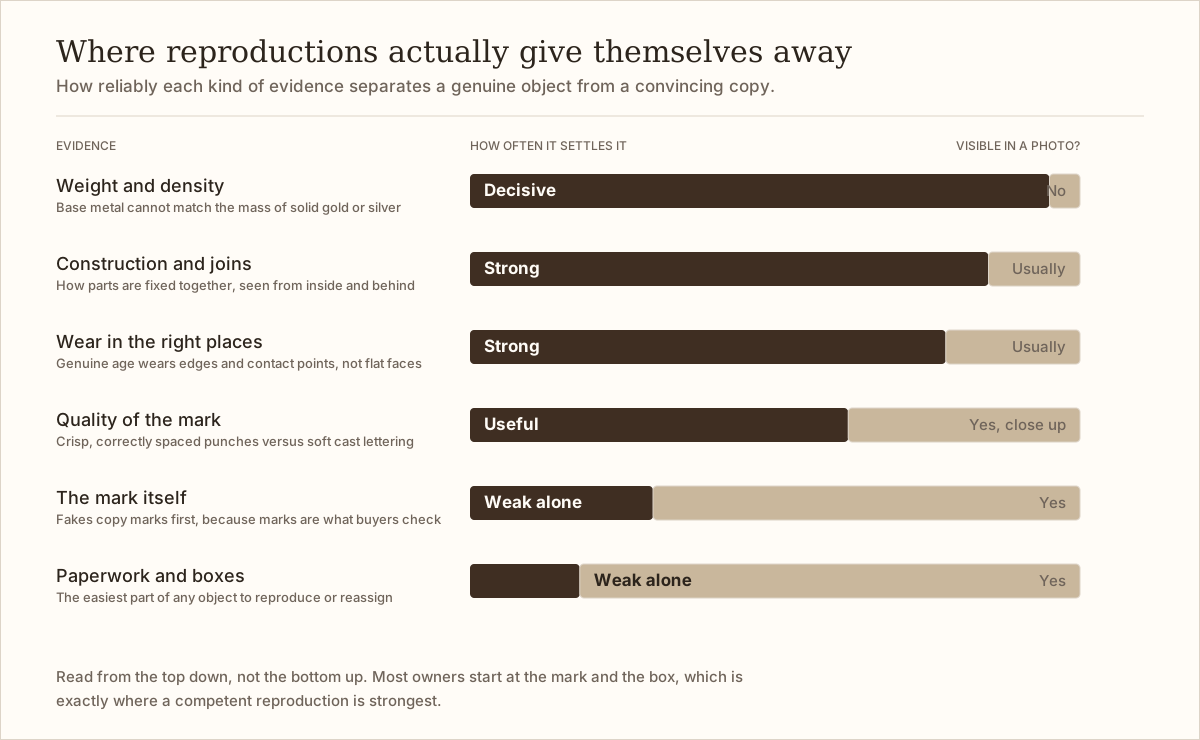
The evidence that settles authenticity is dull by comparison: mass, construction, and where the object has worn. None of it is glamorous and all of it is very hard to fake, because faking it costs more than the object is worth.
Start with the physics
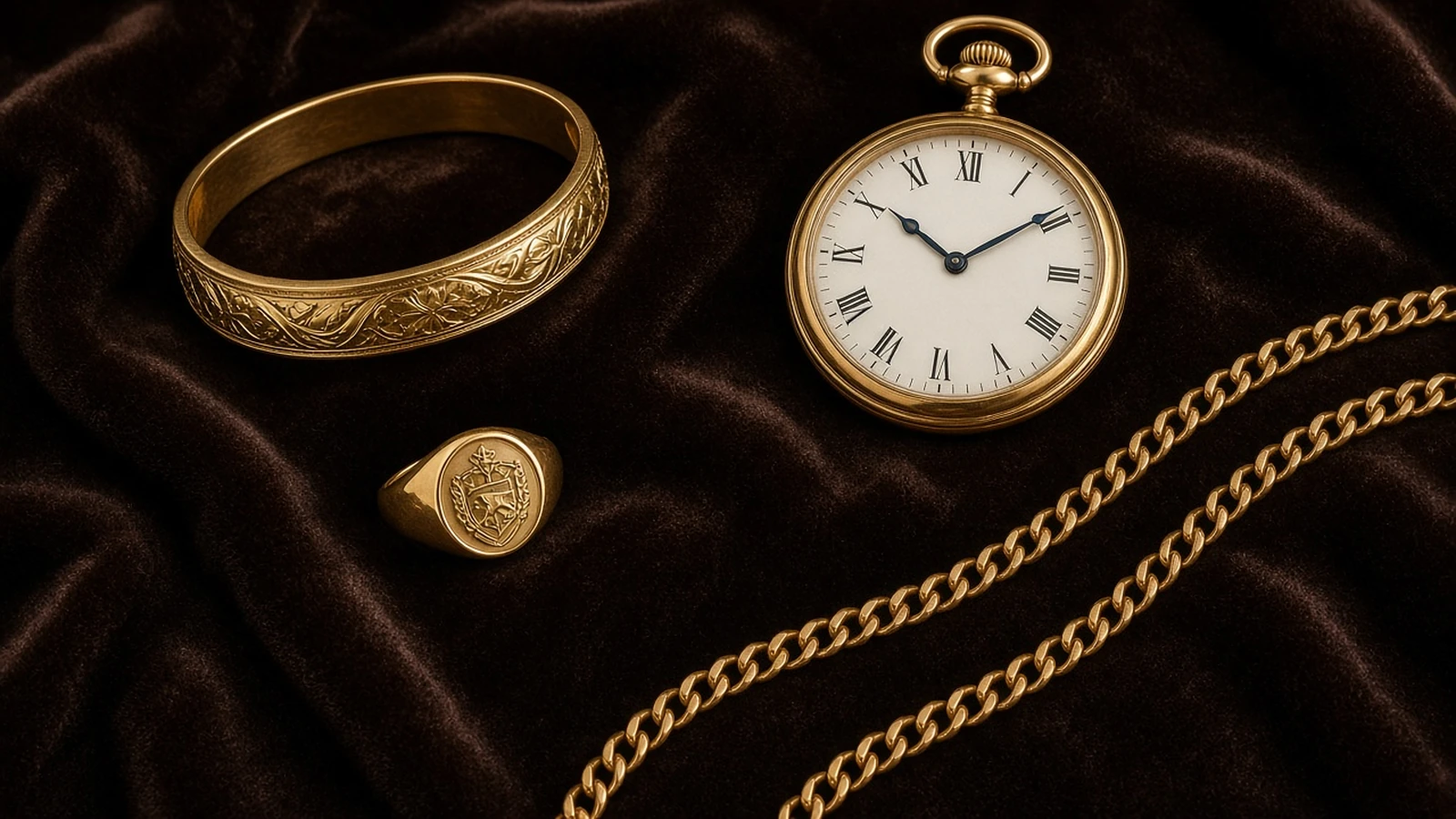
Weight is the single most reliable test on precious metal, and it needs no expertise at all. Gold is roughly twice the density of the base metals used to imitate it. A gold-plated brass bangle and a solid 18 karat one of identical size are not close in the hand — the difference is obvious the moment you hold both, and obvious on a kitchen scale even when you only have one.
This is also the clearest example of what a photograph cannot do. An image will show you the karat stamp and the colour; it will not show you that the piece weighs a third of what it should. If you are checking metal, weigh it and measure it before anything else, and write both figures down.
Magnetism is the second free test. Gold and silver are not magnetic, and neither is the platinum group. A fridge magnet that grabs a "silver" teapot has settled the matter. A magnet that does not grab proves less — plenty of non-magnetic base metals exist — but it costs nothing and eliminates a whole family of fakes in a second.
Construction is where copies get expensive
An object assembled the way the original was assembled costs what the original cost to make. That is the constraint reproductions cannot escape, and it shows up in the parts nobody photographs.
Look at the back, the inside and the underside. Hand-cut dovetails on a drawer are irregular and slightly different from one to the next; machine-cut ones are identical and evenly spaced. Cast seams on a figure that should have been modelled, uniform file marks where there should be hand work, screws with modern uniform threads in a piece that predates them, a perfectly flat base where a turned one should show tool rings — each is a fact about manufacture rather than about appearance.
On watches and clocks, the case is packaging and the movement is the object. A genuine case fitted with a replacement movement is common and legitimate, and it changes the value entirely, so read the movement plate — maker, serial, jewel count — before you read the case back, and check that the marks on the case agree with the date the movement claims.
Wear has to make sense
Genuine age wears an object unevenly and in places that get touched: the underside of a handle, the rim where a lid seats, the high points of a decorated surface, the edge of a base that has been slid across a shelf for a century. Artificial ageing is applied where it will be seen rather than where it would happen — evenly across a flat face, or into the recesses that a hand never reaches.
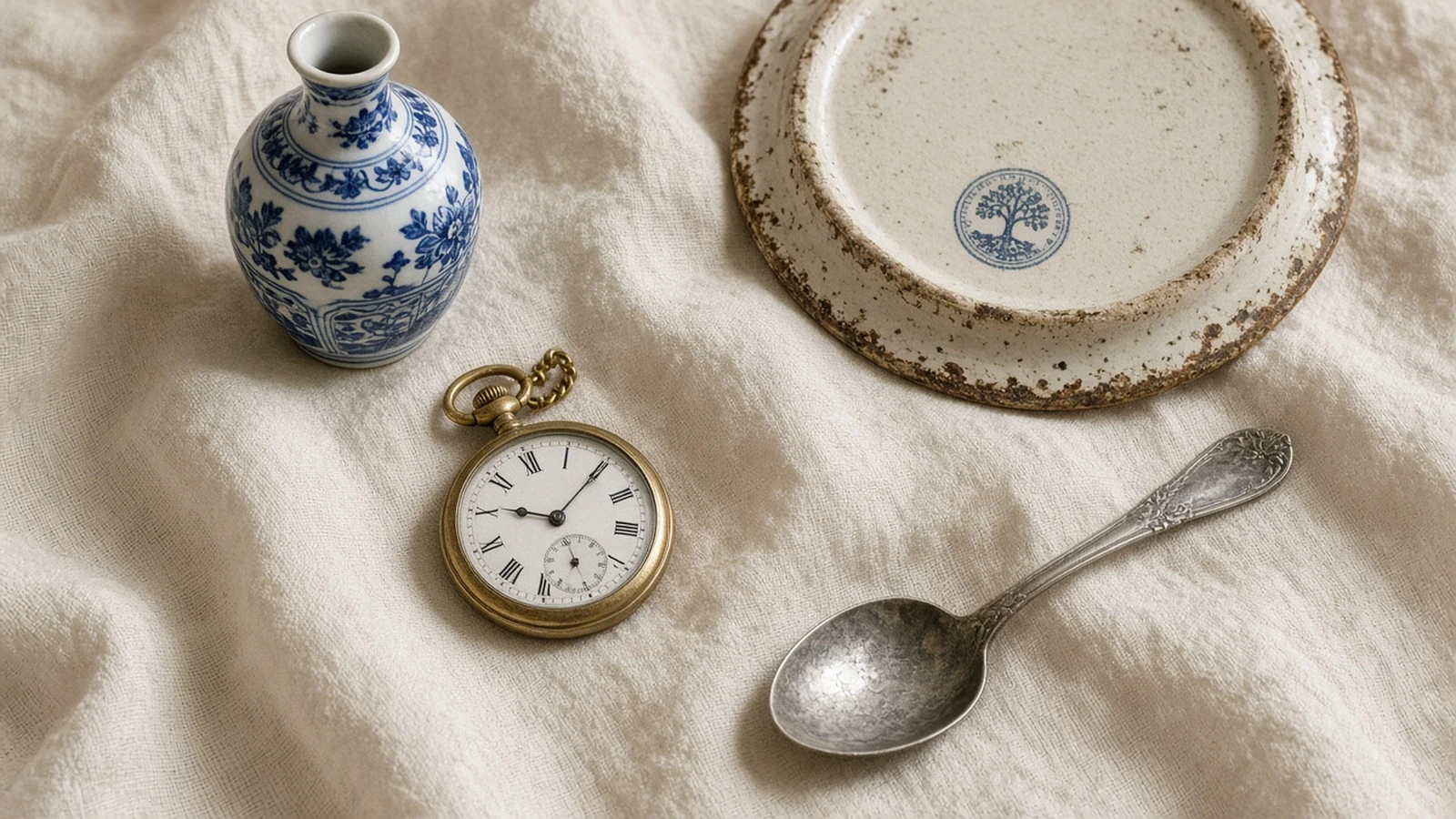
On silver, look at where a spoon bowl thins and where engraving softens. On plated pieces, look for base metal showing through at exactly the contact points; a plated object with perfect plating on the high points and wear only in the crevices has been aged backwards.
The question is not "does this look old". It is "would this pattern of wear be produced by a hundred years of the use this object was made for".
Then, and only then, read the mark
Marks still matter, but read them as a question of quality before a question of content.
Struck marks are punched into metal and displace it: the letters have crisp edges, consistent depth, and the surrounding surface is very slightly raised. Cast marks are reproduced along with the object and look soft, shallow and rounded, often with the same tiny casting flaws repeated on every example. A correct mark rendered badly is worse evidence than no mark at all, because it tells you somebody was trying.
Then check whether the mark is internally consistent: the right marks for the claimed date, in the right order, with the right number of punches, and — a frequent giveaway — spaced by hand rather than in a perfectly even row. The guide to reading marks on antiques covers what each family of mark should contain across the US, European and Gulf systems.
| Evidence | What a good reproduction does with it |
|---|---|
| The mark | Copies it, usually accurately, because it is what buyers check |
| Certificates and boxes | Reproduces or reassigns them from another item |
| Overall appearance | Matches it closely, at normal viewing distance |
| Surface wear | Applies it where it will be seen, not where use occurs |
| Construction | Uses modern methods, because the original ones cost too much |
| Weight and density | Cannot match it without using the actual material |
Read that table from the bottom up. That order is the whole method.
Luxury resale: a slightly different problem
Branded modern goods — watches, bags, jewellery — invert the usual difficulty. The maker is not in doubt; what is in doubt is whether this particular example is theirs, and the copies are made by people who have studied the genuine article far more closely than a casual seller has.
Three things carry disproportionate weight. Serial and reference numbers must be internally consistent — with each other, with the model, and with the period; a number that exists but belongs to a different reference is the commonest failure. Finishing quality at the small scale: font weight and letter spacing on engraved text, the alignment of stitching, the evenness of a bezel. Component substitution: a genuine item with a replaced dial, a redyed strap or an aftermarket stone set is not a fake, but it is worth substantially less, and disclosing it is the difference between a sale and a chargeback.
If you are selling into this market, the risk is asymmetric: an undisclosed authenticity problem discovered after the sale costs far more than the item. Establish it before you list, not after somebody else does.
What to do when you are not sure
Photograph the object properly first — a straight-on frame, the marks close up, the construction details, and the wear under raking light. The four frames that settle most items is the shortest route to getting this right. Then run it through a SoldSnap evaluation, which returns an identification, the authenticity signals visible in the images, and a value range; the follow-up chat is the place to ask about the specific thing that worries you, which is usually a mark or a repair.
Where the answer depends on weight, density or internal construction, the evaluation will say so rather than guess — and that is the point at which the object needs to be in somebody's hands. For anything heading to a specialist market, the selling channel comparison covers which routes carry their own authentication and what that service costs you in commission.
FAQ
How can I tell if an antique is real or a reproduction?
Check mass and material first, then construction and wear pattern, and read the mark last. Reproductions copy marks accurately because marks are what buyers check; they rarely reproduce original construction methods, because doing so costs more than the copy is worth.
Does a hallmark guarantee an item is genuine?
No. Marks can be cast along with a copy or struck with counterfeit punches. A hallmark starts the inquiry — it tells you what the piece claims to be. Weight, density and construction confirm or contradict the claim.
Is a magnet test reliable for gold and silver?
It is reliable in one direction only. Gold, silver and platinum are not magnetic, so attraction proves the piece is not solid precious metal. No attraction proves little, since many base metals are also non-magnetic.
Can authenticity be judged from photographs?
Partly. Mark quality, construction details and wear patterns photograph well with the right lighting. Weight and density do not, so items whose authenticity hangs on material need to be weighed or tested in person.
Should I get luxury items authenticated before selling?
Yes, before listing rather than after. An authenticity problem found by the buyer costs far more than one found by you, and several selling channels will decline an item outright once a dispute has been opened against it.
Last updated 13 September 2026